Buying your first home is exciting. Decorating it? That can feel overwhelming fast.
Between furniture costs, layout decisions, and endless inspiration online, it’s easy to overspend — or overfill your space.
The solution isn’t buying more.
It’s choosing better.
This minimalist living room setup guide will show first-time homeowners exactly how to create a calm, functional, stylish space without wasting money. Whether you have a small apartment or a starter home, this practical framework will help you design a living room that feels expensive — while staying budget-friendly.
Why Minimalism Works for First-Time Homeowners
Minimalism isn’t about empty rooms or cold spaces. It’s about:
Intentional furniture
Neutral colors
Functional layouts
Reduced clutter
Long-term flexibility
For first-time homeowners, this approach offers three major advantages:
1. It Saves Money
You avoid impulse decor purchases and focus on core essentials.
2. It Prevents Regret
Trendy furniture gets outdated. Neutral, simple pieces stay timeless.
3. It Grows With You
As your life evolves, minimalist foundations are easy to update.
practical home setup checklist for new homeowners
1. Start With a Neutral Foundation
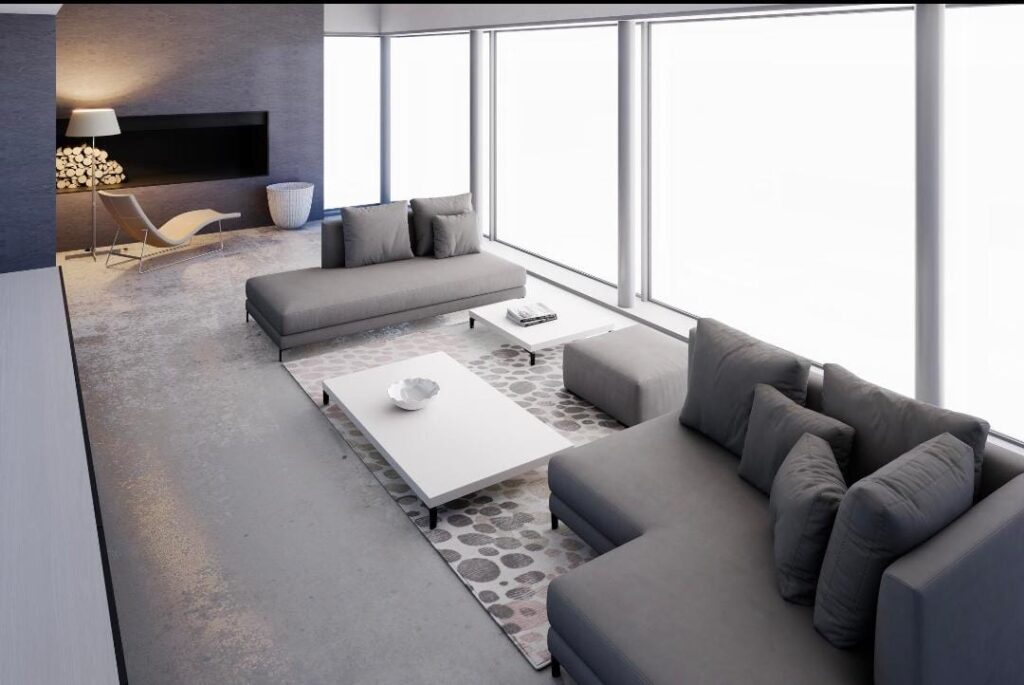
Minimalist living rooms begin with controlled color palettes.
Best Base Colors:
White
Cream
Beige
Soft gray
Warm taupe
These tones:
Make small rooms look bigger
Reflect natural light
Create visual calm
Allow decor flexibility
Budget Strategy
Instead of repainting constantly, invest in a neutral sofa first. It’s the largest visual piece in the room and sets the tone for everything else.
If you’re working with limited square footage, lighter shades help maximize brightness.
smart small-space organization ideas
Minimalist Neutral Sofa (Foundation Piece)
👉 Best for: First-time homeowners setting the base of their living room
2. Choose Functional Core Furniture Only
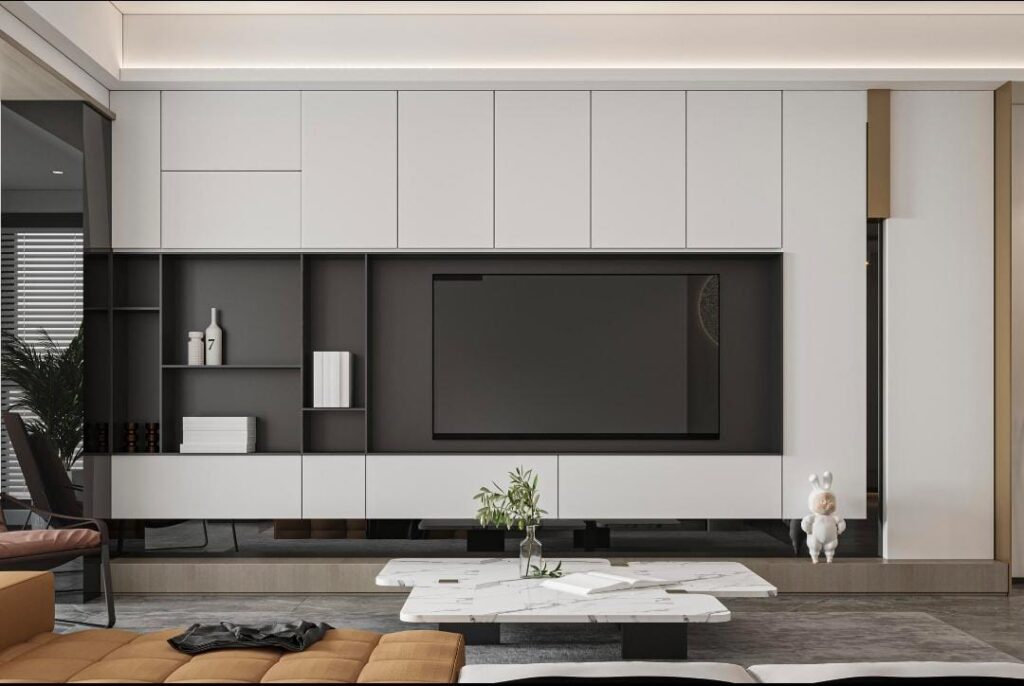
Minimalism means intentional choices — not empty rooms.
Start with only the essentials:
Core Living Room Pieces:
1 Sofa (2–3 seater)
1 Coffee table
1 TV stand or console
Optional: 1 accent chair
Avoid:
Matching furniture sets
Oversized sectionals in small spaces
Multiple side tables
Heavy cabinets
Budget Ranges (USA Market Estimate)
Sofa: $500–$900
Coffee table: $100–$300
TV stand: $150–$400
Focus on clean lines, exposed legs (makes space feel lighter), and simple materials like wood, linen, or matte metal.
budget-friendly home decor ideas
Lift-Top Coffee Table (Hidden Storage Hack)
“👉 Save space with this smart storage coffee table”
3. Plan Your Layout Like a Designer
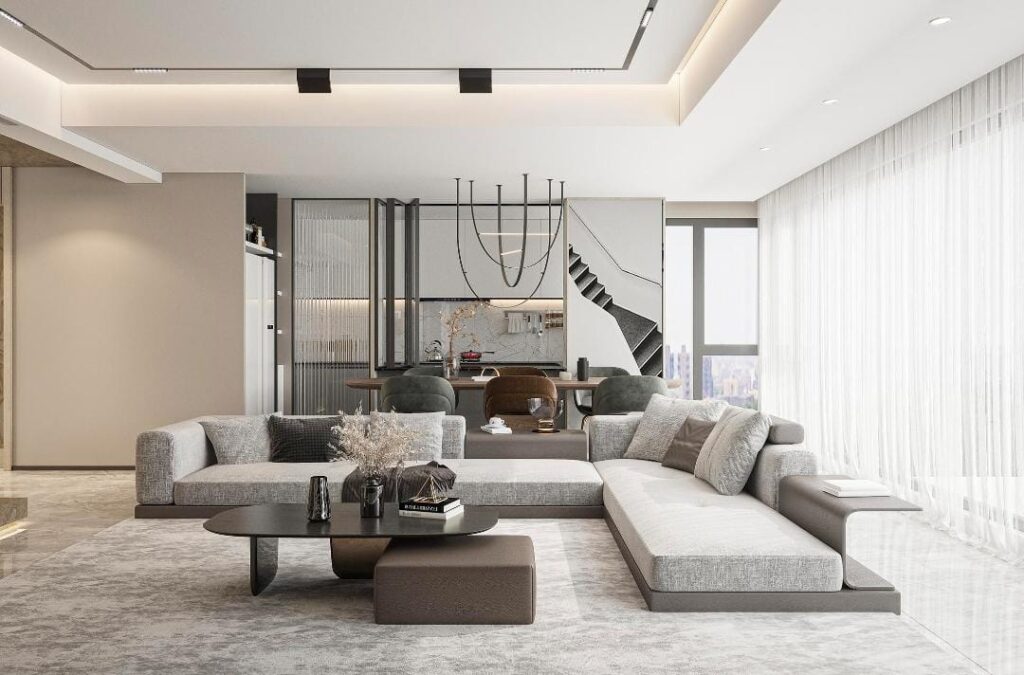
Furniture placement can make or break minimalism.
Layout Rules for First-Time Homeowners
✔ Keep walking paths clear
✔ Avoid blocking natural light
✔ Float furniture slightly off walls if space allows
✔ Use a rug to define the seating zone
If your living room is small:
Use a smaller-scale sofa
Choose round coffee tables
Avoid bulky recliners
Minimalist layout is about breathing room.
4. Lighting Is the Secret Upgrade
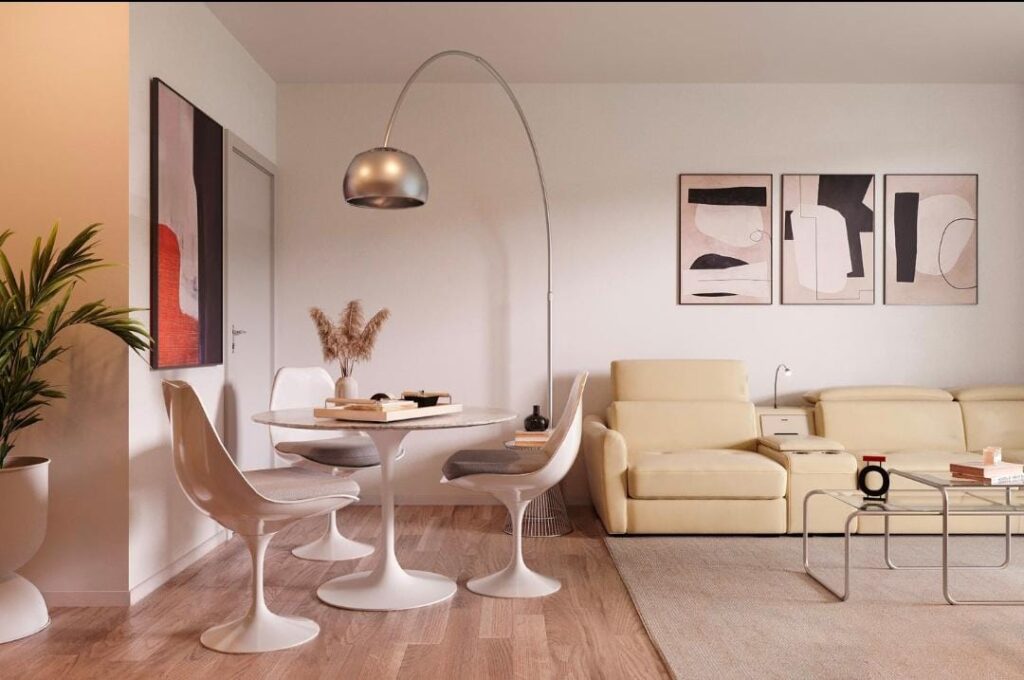
Lighting determines whether your space feels cozy or sterile.
Layer Your Lighting
- Overhead fixture
- Floor lamp
- Table lamp or wall light
Use warm bulbs (2700K–3000K). Avoid bright white lighting — it kills warmth.
A single modern floor lamp can instantly elevate a minimalist living room without adding clutter.
Lighting is one of the highest ROI upgrades for budget decor.
Modern Floor Lamp (High ROI Upgrade)
“Lighting is the fastest way to make your room feel expensive”
5. Add Texture (Not Clutter)
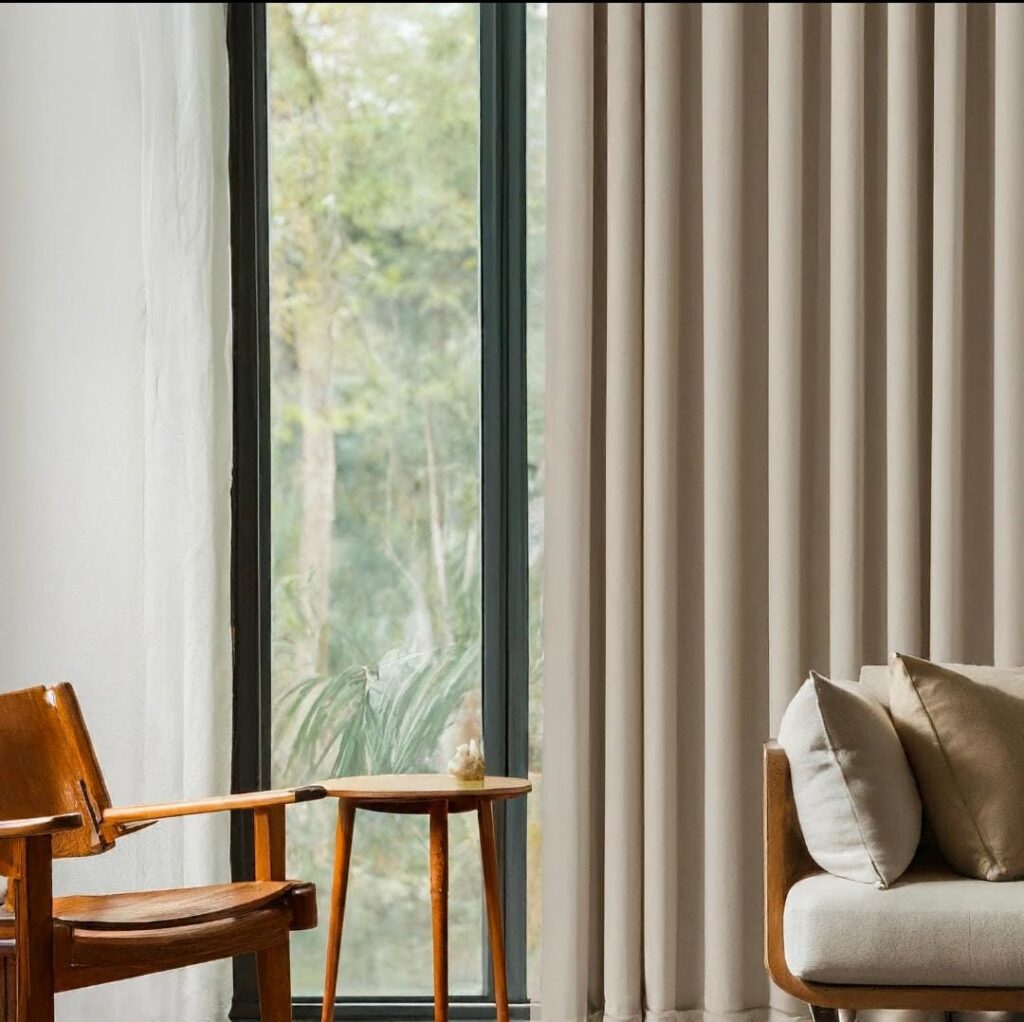
Minimalist doesn’t mean flat.
It means fewer items — with more impact.
Add Warmth Through:
i. Linen curtains
ii. Textured neutral rugs
iii. 2–3 throw pillows
One large art piece (instead of multiple small frames)
Stick to a rule: If it doesn’t serve a function or elevate the room, it doesn’t stay.
Textured Rug (Adds Warmth Without Clutter)
6. Hidden Storage Keeps It Clean
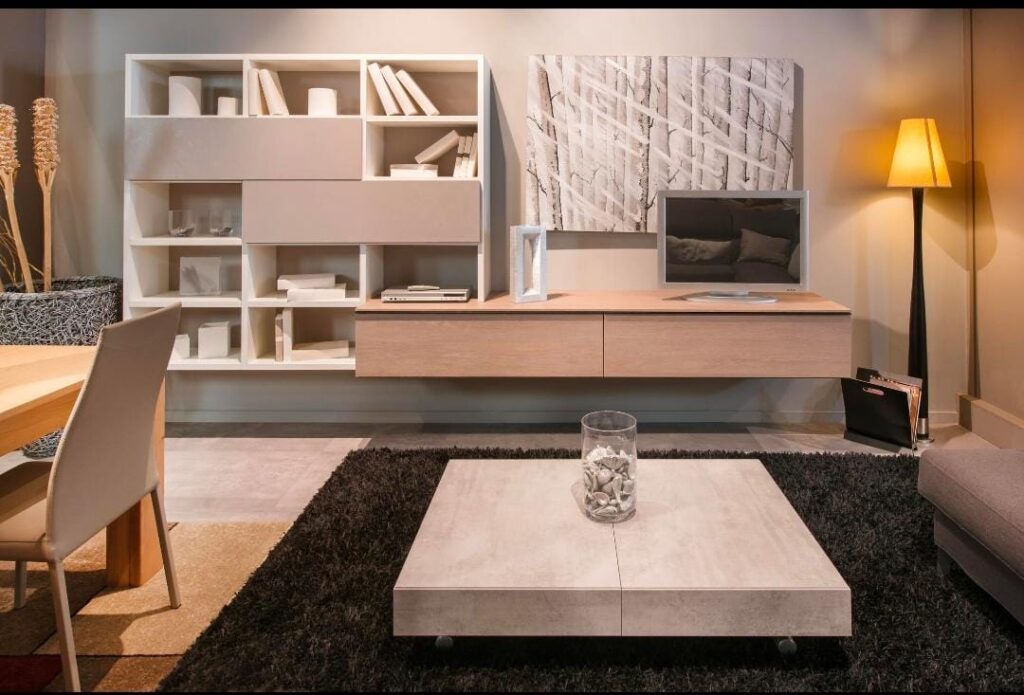
Clutter destroys minimalist design.
Smart storage keeps your space calm.
Smart Storage Options:
i. Lift-top coffee tables
ii. Storage ottomans
iii. Floating shelves
iv. Slim console cabinets
As a first-time homeowner, you’ll accumulate items. Plan storage early to avoid visual mess later.
budget home storage solutions for small spaces
Storage Ottoman (Clutter Control Essential)
Floating Shelves (Minimalist Display)
7. Keep Decor Simple and Intentional
Minimalist decor follows a simple structure:
i. 1 statement artwork
ii. 1 indoor plant
iii. 1 tray for coffee table styling
iv. 1 textured throw blanket
That’s it.
Avoid:
i. Excess candles
ii. Decorative figurine collections
iii. Overcrowded shelves
Negative space is part of the design.
8. Budget Breakdown Example
Here’s a realistic setup estimate for USA homeowners:
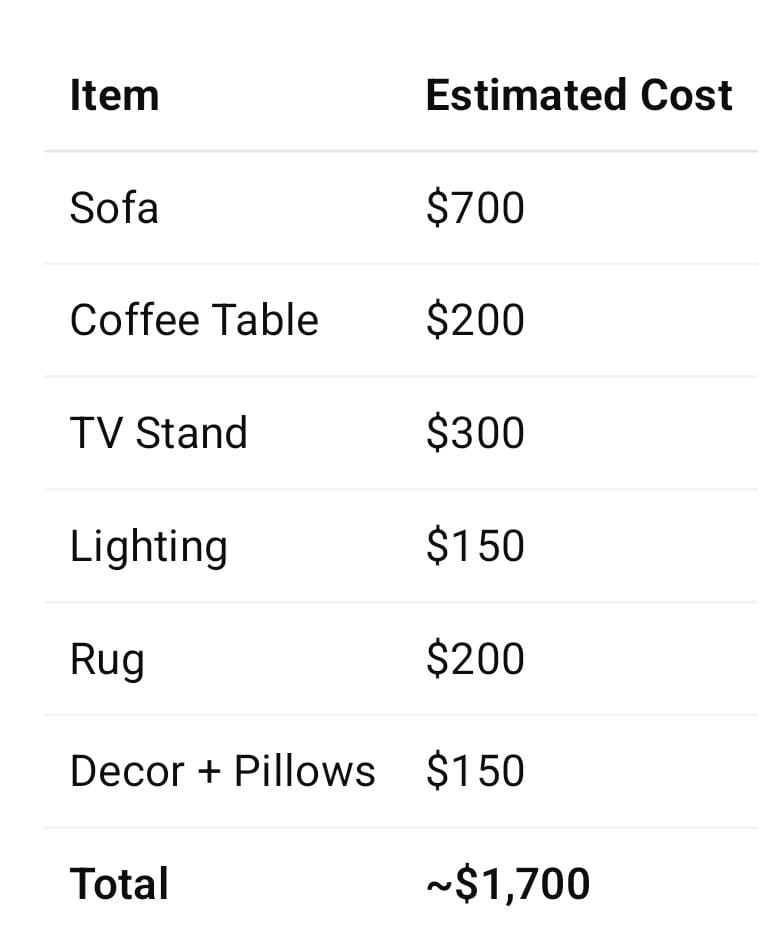
You can scale up or down based on quality and sales.
The key: buy once, buy intentionally.
9. Common Mistakes First-Time Homeowners Make
❌ Buying Everything at Once
Take your time. Live in the space first.
❌ Choosing Trendy Colors
Neon, bold wallpapers, and loud accent walls limit flexibility.
❌ Ignoring Scale
Oversized furniture makes rooms feel cramped.
❌ Too Much Wall Decor
Minimalism thrives on restraint.
10. How to Make a Minimalist Living Room Look Expensive
i. Choose quality-looking fabrics (linen, cotton, boucle)
ii. Keep color palette cohesive
iii. Use larger decor pieces instead of many small ones
iv. Invest in good lighting
v. Keep surfaces clear
Expensive-looking rooms aren’t crowded. They’re curated.
Frequently Asked Questions
Is minimalist design expensive?
No. Minimalism reduces unnecessary purchases and focuses on essential quality pieces.
What colors work best for a minimalist living room?
White, beige, gray, taupe, and soft earth tones.
How do I make my small living room look minimalist?
Declutter, limit furniture, use neutral tones, and maximize lighting
Can minimalist design work in apartments?
Absolutely. It works especially well in small spaces.
🛒 Top Picks for a Minimalist Living Room
🛋️ Modern Beige Sofa → Clean, timeless foundation
☕ Lift-Top Coffee Table → Hidden storage + functionality
💡 Minimalist Floor Lamp → Instant cozy upgrade
🧺 Storage Ottoman → Declutter your space fast
🪵 Floating Shelves → Stylish & space-saving
🧸 Neutral Textured Rug → Adds warmth without clutter
Final Thoughts
Your first home doesn’t need to be fully furnished in one weekend.
Minimalist living room design is about intention, not speed.
Start with a neutral foundation.
Choose functional furniture.
Layer lighting.
Add texture carefully.
Plan storage early.
When done right, minimalism creates a space that feels calm, practical, and timeless — without draining your budget.
And that’s exactly how smart homeowners design.